サイト管理人のブログです。
ブログ
ブログ一覧
明日(9/23)~9/29まで休載します
本日夜からチュニジア旅行に出ます。カルタゴ遺跡を見てきたいと思っております。9/23~29まではブログは載せられません。申し訳ございません。スマホも持たずガラケーもこのところ余り使っておりませんので。国際通話ができるスマホであればWordPressで入力は可能となるのですが。9/30からはチュニジア旅行の写真を少しずつ掲載していきたいと思っています。
石平『世界征服を夢見る 嫌われ者国家中国の狂気』を読んで
表題の本は石平氏のメルマガを纏めたものであるが、面白く感じたことを紹介してみたい。人民日報社が開設するミニブログ「微博」専用ページを彼が見たときに、以前には見られなかったコメントがずらりと並んでいたとのこと。「中国人民は皆知っている。よく嘘をつくメデイアは人民日報、よく捏造する教科書は(日本のより)中国の方だ。お前らこそ、毎日のように中国人民を騙しているのではないか!」「文化大革命以来、いったい誰が多くの人民を惨殺してきたのか。日本人ではないぞ!」「自国の歴史さえ正視できないこの国が他国に正しい歴史認識を求めることができるのか。嘘ばかりつくこの政府は、他人に真実を語れと要求できるのか!」と。反日宣伝を政府がした分、それはすべて政府自身に返ってくる。民間ウエブサイト「網易」が「日本の歴史教科書と中国の歴史教科書、どちらが嘘をついているのか」というネット上の討論を開始し、一般ユーザーにも意見を求めた。その結果、「日本の教科書の方が嘘をついている」と答えた回答者数が2730人であったのに対し、「中国の教科書の方が嘘つきだ」と答えたのはその3倍以上の8949人に上ったとのこと。
中国人は基本的に政府を信用しません。信じたら裏切られ殺されるのが長い歴史の教訓となっているからです。政府が反日をしている中国と、国民全体が反日に染まり親日の表現を社会的に許容しない韓国と民度のレベルが違うと思いませんか?今韓国は日本との対話を求めて来ていますが、中国が11月APECで首脳会談を多分開くこと、北朝鮮との対話が進んでいることで、「日本はアジアで孤立している」と言ってきたが実は「韓国だけがアジアで孤立している」ということにやっと朴大統領は気づいたらしい。尹外相も「歴史と経済は分離する」とか言い出してきたが、日本は「歴史と経済は一致させる」と切り返せば良い。日本の円安で経済はガタガタ、平昌オリンピックの援助がほしいので擦り寄ってきたのでしょう。さもしい連中です。「告げ口外交や慰安婦像設置取りやめ、既存撤去が約束されない限り、経済支援はできない。もしそれがなくて支援に踏み出せば国民が怒って政権維持できない」と答えれば良いのです。中国は今まで政府が国民の言いたいことを抑えてきましたが、ネットの出現で、如何に共産党と言えども100%抑えることは出来なくなってきているということです。朝日新聞が捏造してきても100%隠すことができなくなってきているのと同じです。邪悪な存在は打倒すべきです。
最後に石平氏の本の中に「順口溜(=日本の川柳のようなもの)」が載ってました。中国の実態を知るのに良いので紹介します。
「女房と寝るのは貧乏人だが、人の女房と寝るのは金持ちである」「牛や豚を飼う奴は貧乏人だが、犬や猫をペットにする奴は金持ちである」「田んぼで稲を植える奴は貧乏人だが、庭で花を育てる奴は金持ちである」「土を耕す奴は一生の貧乏人だが、土地を売買する奴は子孫まで金持ちである」「ホンモノを作っていても貧乏人のままであるが、ニセモノを作るとたちまち金持ちになる」「栄養食品を作って売る奴は所詮貧乏人だが、有毒食品でも作って売れば金持ちの仲間入りができる」「友人から借金する奴は貧乏人だが、国からカネを掠めた奴は大金持ちである」
昨日(9/19)日経「中国、68都市で住宅値下がり 8月ほぼ全国に広がる 」の記事について
表題の記事で、中国の不動産バブルがはじけてきているのを隠せなくなってきています。SARSの時も、鳥インフルの時も患者数のごまかしは当り前の国ですから。GDPの数字だって違っている(地方政府が数字を大きく報告するため)ので、不動産の下落は政府発表よりもっと大きいと思います。
日本の基準地価が発表になりましたが秋田県が全国で下落率が最大とのこと。秋田県は2013年10月時点における、年間人口減少率が全国1位となっており、過疎化が大きな問題となっています。佐竹知事が「コメ作りをやっていると人口が減る」と発言しました。農業従事年齢が上がっているのは若い人が農業に就かないためです。人口減、地価減で外国人をドンドン入れていくようになると危ないと感じます。近隣国は反日が多いですから。安全保障にもっと目を向けないと。
【北京=大越匡洋】中国の住宅の値下がりがほぼ全国に広がった。国家統計局は18日、8月には主要70都市のうち、68都市の新築住宅価格が前月に比べて下落したと発表した。値下がりした都市は7月の64都市から拡大した。値下がり幅が最も大きかったのは浙江省杭州の2.1%。住宅市況の冷え込みから企業活動が鈍り、景気の下振れ懸念が強まっている。住宅需要が特に旺盛なことで知られる北京、上海、広東省広州、同深圳の四大都市でも軒並み1%を超える下落となった。唯一、価格が上昇したのは福建省アモイで、上昇幅は0.2%。浙江省温州が横ばいだった。前年同月比でみても、価格が下落した都市は19都市となり、7月の3都市から大幅に増えた。値下げしても売却に至らない不動産の在庫面積は8月まで29カ月連続で増えている。景気の減速懸念が強まっていることを受け、中国人民銀行(中央銀行)は16日までに五大銀行に対して5千億元(約8兆8500億円)の短期資金を供給し、企業の資金繰りに万全を期す構えを示した。もっとも、住宅ローン金利はなお高止まりしており、「利下げなど全面的な金融緩和がなければ、住宅市場のてこ入れは難しい」(重慶の不動産業者)との声は多い。中国で最も重要な秋の商戦期を迎え、多くの地方都市が住宅購入規制を緩めているが、まだ目立った効果は出ていない。
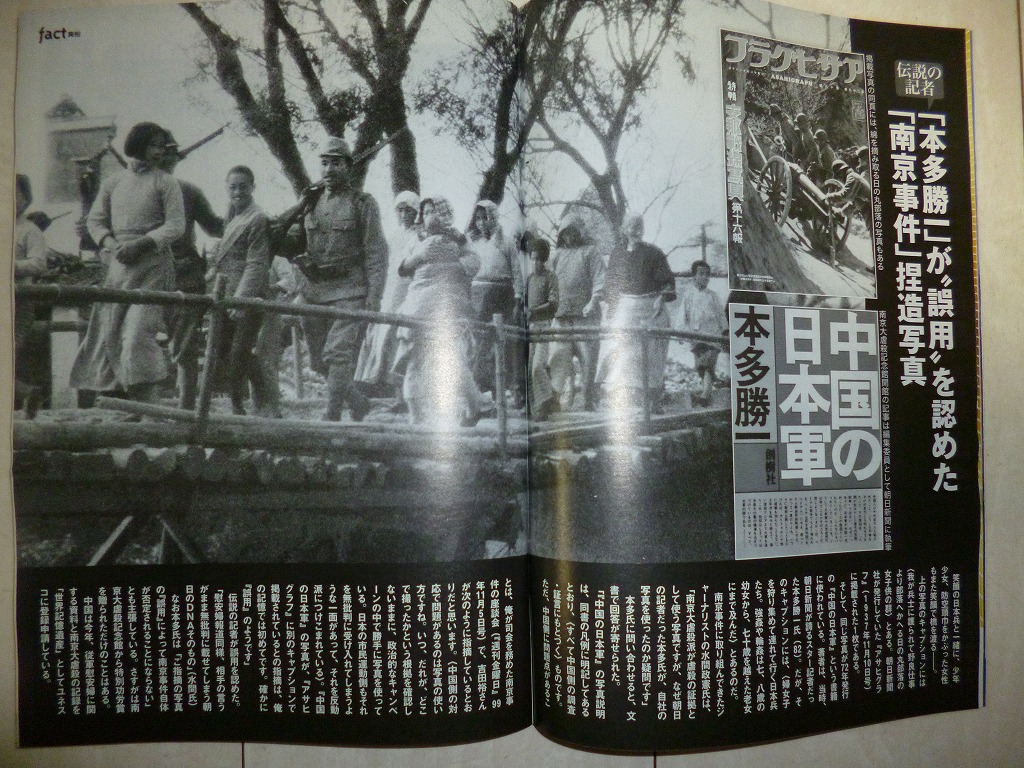
昨日発売「週刊新潮」(9/25号)のグラビア「南京事件」捏造写真について
昨日発売の「週刊新潮」に水間政憲氏コメント付きの本田勝一・朝日新聞記者がデッチ上げた南京大虐殺のグラビアが載っています。東中野修道氏の『南京事件証拠写真を検証する』にも載っていたような気がしますが、本よりは週刊誌の方が大衆の目に触れやすい。週刊新潮は発行部数が57万部あり、新聞・TVより遙かに部数は劣りますが、ネット等で伝播していくでしょう。朝日の次の標的は「南京事件」です。南京には20万の市民しかいなくて、どうして30万人も殺せるのか?また顧維均国際連盟代表が国際連盟に訴えたが国際連盟は取り合いませんでした。(1938年1月26日~2月2日に開催された国際連盟理事会にて、顧維均が日本を非難し、「日本が南京を攻略した際、2万人の民間人を虐殺した、これに対し国際連盟は行動をとるべきだ」と主張したが、連盟側は「そんな事実はあり得無い」として受け入れなかった事実があります)。また悪名高い戦後の極東軍事裁判では勝者の裁判となり、10万人or20万人以上の殺害の認定となりました(アメリカの原爆投下の残虐性を隠すためでしょう)。10年近く経ってから、数がこれだけ違う所からしてプロパガンダ以外の何物でもないと思いませんか?朝日新聞は共産党(ソ連、中国、日本)の手先です。心して彼らの主張を聞いた方が良いです。次のターゲットに「南京事件」を挙げて行きましょう。
9/16ロイターの「慰安婦記事」について
9/16にロイターが慰安婦の記事を掲載しました。朝日新聞社と提携関係があるニューヨークタイムス、人民日報(どの国の手先かすぐ分かる)の論調とは流石に違います。慰安婦問題でも後で虚偽と分かって取消したとあります。ただリベラル朝日、穏健派毎日(?)、保守派の読売・産経と単純に色分けしているのは気に入りません。福島原発撤退報道でも断章取義をやったと述べています。意図的に都合のいい部分のみを取り上げるやり方です。これを捏造報道と言わずしてなんというのかという感じです。ピーターエニス氏は「アサヒにとって重大な危機であるが、切り抜けるのでは。しかし、たやすい道のりではない」と言っていますが、朝日新聞はつぶれるしかないと思っています。その前に世界に記事の取り消しと謝罪を発信して日本国民に謝罪すべきです。
Japan PM’s liberal newspaper critic is humbled by errors
By Linda Sieg TOKYO Tue Sep 16, 2014 12:42am EDT
(Reuters) – It was a rare role reversal for Japan’s influential Asahi newspaper, which is known for exposing wrongdoing in high places, when its president stood before cameras to bow, apologise and pledge to restore his organisation’s credibility. Tadakazu Kimura told more than 100 reporters packed into a second-floor room at Asahi headquarters that the newspaper was withdrawing a controversial article on the Fukushima nuclear crisis that it now said was erroneous. It was also apologising for belatedly retracting decades-old articles on wartime atrocities based on an account later found to be fictitious. The self-inflicted wounds to the 135-year-old liberal media flagship are casting doubt on whether it can regain credibility. Its embarrassment coincides with a muting of liberal views and an absence of strong political opposition to Japan’s government, and could also create a tailwind for conservatives such as Prime Minister Shinzo Abe who want to recast Japan’s wartime past with a less apologetic tone and to loosen the constraints of Japan’s post-war pacifist constitution. “From now on, the Asahi will have to be much more careful in taking an editorial line that is at odds with the right-wing, government line,” said Koichi Nakano, a Sophia University professor critical of Abe’s policies. “Abe and Co. will have a much freer hand in rewriting history.”The Asahi told Reuters in a statement that the newspaper wanted to continue to fulfill its journalistic responsibility in the same way as it has done to date, and repeated that it would place top priority on accuracy.The Asahi holds a unique place among Japan’s newspapers, which range from the liberal Asahi and moderate Mainichi to the conservative Yomiuri and Sankei, both of whose views often echo positions of the Abe administration.
‘JAPAN’S NEW YORK TIMES’
The Asahi’s readers respect the paper for its exposés of corruption and opposition to the conservatives who have ruled Japan for most of the past six decades, said Jeffrey Kingston, director of Asian studies at Temple University’s Japan campus. “Its estimated 8 million readers like it for much the same reasons liberal readers prefer the New York Times – it is a trusted and reliable voice willing to take on the powers that be,” Kingston said. Equally, the newspaper is reviled by many on the right for purveying what they term a “masochistic” view of wartime history that they say dents national pride and fuels diplomatic feuds with neighbours China and South Korea. “Asahi is responsible for all the unjust criticism spoken by China and South Korea toward Japan,” said Harue Sato, a spokeswoman for self-styled patriotic women’s group Soyokaze. Conservatives also criticise the Asahi for its opposition to key policies espoused by the Abe government, such as a planned return to nuclear power after the March 2011 Fukushima disaster and his push for Japan’s military to play a bigger global role.The Asahi’s retractions concerned two of Japan’s most sensitive political issues – nuclear power and the legacy of Japan’s past militarism, which still haunts ties with China and South Korea nearly 70 years after World War Two. Kimura’s news conference last week capped months of controversy over a May 20 Asahi article, based on leaked testimony by the late manager of the tsunami-crippled Fukushima nuclear plant. The paper said workers battling the March 2011 disaster had fled in violation of an order to stay put.The Asahi had billed its story as a major scoop and rejected later charges from other media that it was wrong. The full transcript, released on Thursday, showed the Asahi report had focused on selective comments by the manager and that it was possible he had been misunderstood in the chaos. The Asahi also acknowledged it had failed to confirm facts with the workers. Blaming insufficient checks and preconceptions as to what had happened, the Asahi removed its top editor from his post and asked a panel of outside experts to examine its reporting.
COMFORT WOMEN
A month earlier, the Asahi retracted articles published in the 1980s and 1990s and based on a Japanese man’s account – later found to be false – that described women on the Korean island of Jeju being forcibly recruited to work in Japanese wartime military brothels. Those retractions, decades after scholars first raised doubts about the man’s account and years after Asahi itself said it could not be confirmed, set off a firestorm of criticism. The issue of “comfort women”, as those forced to work in the brothels are known, has a flash point in Japan’s ties with South Korea and a red-flag topic for Japanese conservatives. A landmark 1993 apology by then-chief cabinet secretary Yohei Kono acknowledged Japanese authorities’ involvement in coercing women, many Korean, to work in the brothels. But many Japanese conservatives including Abe say there is no proof of direct state involvement in kidnapping the women. “The articles said that Japanese soldiers entered people’s homes as kidnappers, snatched away their children and made them comfort women,” Abe told NHK public TV on Sunday. “Isn’t what is now being demanded is (for the Asahi) to face the world and properly retract this?” Those familiar with the Asahi’s internal debate said its executives appeared to have hoped that retraction of the articles, which had long left the paper vulnerable to criticism, would bolster their credibility in the debate on the broader issue of Japan’s responsibility for the comfort women system. The paper is setting up a new panel of outside experts to examine its coverage of the comfort women issue. Whether the Asahi can repair its reputation and keep its role as the leading liberal voice remains to be seen. “It is a huge crisis in the company. I think they will come through, but it won’t be easy,” said Peter Ennis, editor of online newsletter Dispatch Japan.
(Additional reporting by Kiyoshi Takenaka, Mari Saito and Jiro Minier; Editing by Mark Bendeich)
FILED UNDER: World Japan